
Traditions & Culture
Explore the sacred Garadi shrines, Koti-Chennaya legacy, ancestral Muddumane family customs, Daivaradhane, and timeless rituals preserved across generations in 33 Shirooru.
The Sacred Bond of Garadi, Family & Living Heritage
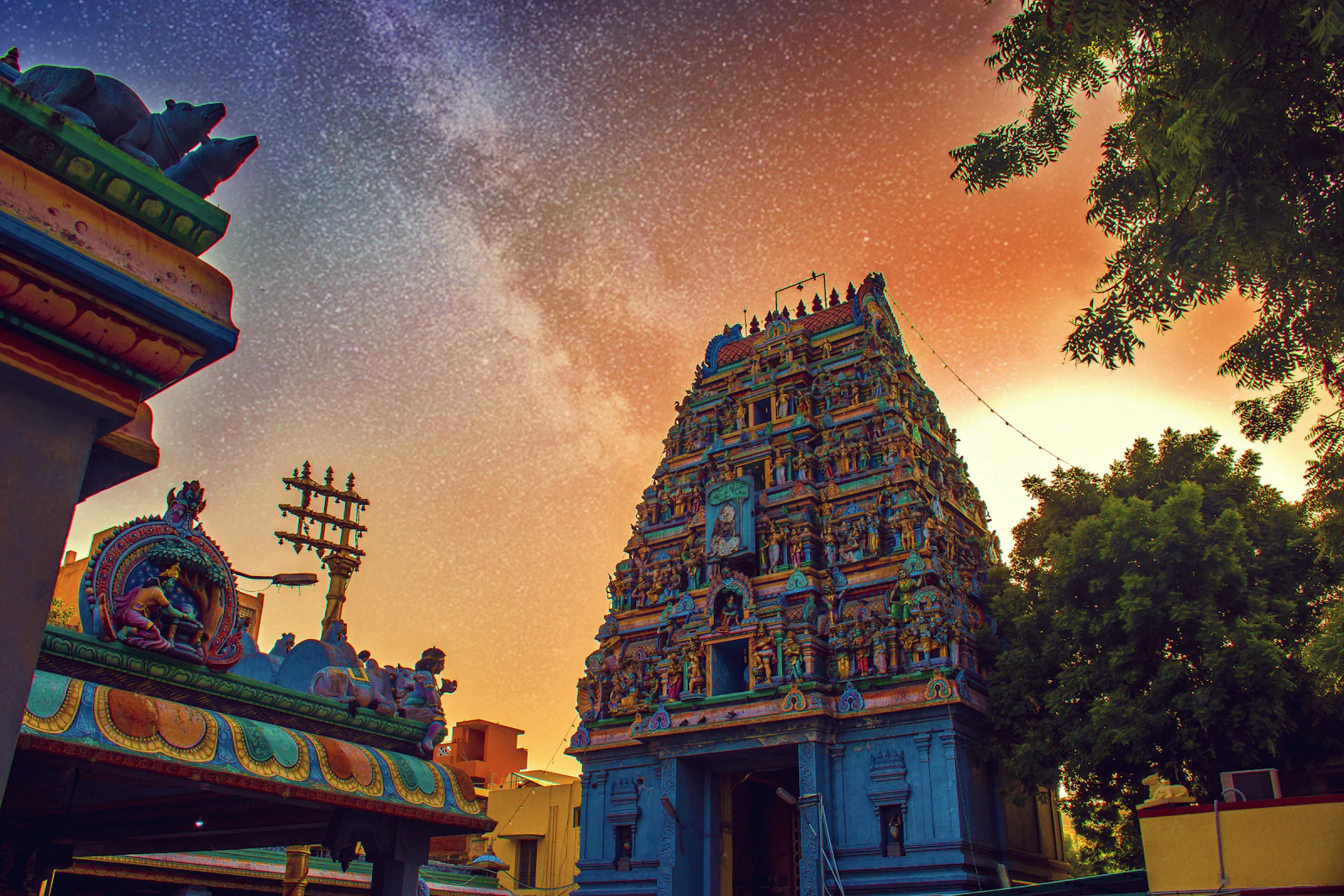
The Shirooru Muddumane region has a strong connection with the traditional cultural landscape of Tulunadu. The wider 33 Shirooru area is associated with several traditional Garadi sites, reflecting the importance of folk traditions and community worship in the region.
Traditional Garadi culture is closely connected with the stories and worship associated with Koti and Chennaya, whose legacy continues to hold an important place in the cultural heritage of Tulunadu.
Muddumane represents more than a place — it represents an enduring connection between people, families, memories and generations.
• Preservation of sacred rituals
• Generational continuity

ಗರೋಡಿ ಸಂಸ್ಕೃತಿ ಮತ್ತು ಕೋಟಿ ಚೆನ್ನಯ
Traditional Garadi Culture & Koti-Chennaya Worship
The Shirooru Muddumane region has a strong connection with the traditional cultural landscape of Tulunadu. The wider 33 Shirooru area is associated with several traditional Garadi sites, reflecting the importance of folk traditions and community worship in the region. Traditional Garadi culture is closely connected with the stories and worship associated with Koti and Chennaya, whose legacy continues to hold an important place in the cultural heritage of Tulunadu. The presence of these traditional institutions around Shirooru adds to the cultural identity and heritage of the locality.
- Annual Garadi Nemotsava and special floral worship
- Recitation of traditional Pardhanas (oral epics of Koti Chennaya)
- Community participation across all families of the region
- Preservation of sacred martial and spiritual regalia

ಮುದ್ದುಮನೆಯ ಭಾವೈಕ್ಯತೆ ಮತ್ತು ಕುಟುಂಬ ಪರಂಪರೆ
The Spirit of Muddumane — Family, Togetherness & Lineage
For generations, communities in and around Shirooru have preserved traditions through family gatherings, religious observances, cultural celebrations and community participation. The spirit of Muddumane represents more than a place — it represents a connection between people, families, memories and generations. The values of togetherness, respect for elders, preservation of traditions and participation in community life continue to shape the identity of the region.
- Traditional family gatherings during festivals and auspicious occasions
- Elders blessing ceremonies and sharing of ancestral folklore
- Maintenance of ancestral courtyard homes with laterite stone architecture
- Passing down family heirlooms, recipes, and spiritual customs

ದೈವಾರಾಧನೆ ಮತ್ತು ಜಾನಪದ ಆಚರಣೆಗಳು
Daivaradhane & Folk Worship Traditions
In coastal Karnataka and Tulunadu, Daivaradhane forms the spiritual core of everyday life. The local shrines and Daivastanas in and around 33 Shirooru observe traditional annual Nema rituals where the spirit is invoked with rhythmic drumbeats, vivid costumes, and divine oracles, ensuring community wellness and crop fertility.
- Annual Nemotsava with traditional Chenda percussion
- Offering of puffed rice, tender coconut, and betel leaves
- Seeking divine counsel and settlement of community disputes
- Protection rituals for agricultural lands and livestock
ಕರಾವಳಿ ಯಕ್ಷಗಾನ ಕಲಾ ಪರಂಪರೆ
Coastal Yakshagana & Folk Performance
Yakshagana (Badagutittu and Tenkutittu) is deeply interwoven with the festive nights of 33 Shirooru. Staged in temple courtyards and open paddy fields after harvest, it brings families together to celebrate timeless stories of honor, valour, and devotion.
- Chowki pooja and ritual preparation of elaborate headdresses (Mudi)
- Night-long performances from dusk till dawn during temple fairs
- Training young boys and girls in coastal classical arts
ಕೃಷಿ ಸಂಸ್ಕೃತಿ ಮತ್ತು ಹೊಸತು ಊಟ (ಪುಡ್ಡರ್)
Agricultural Rituals, Puddar & Harvest Customs
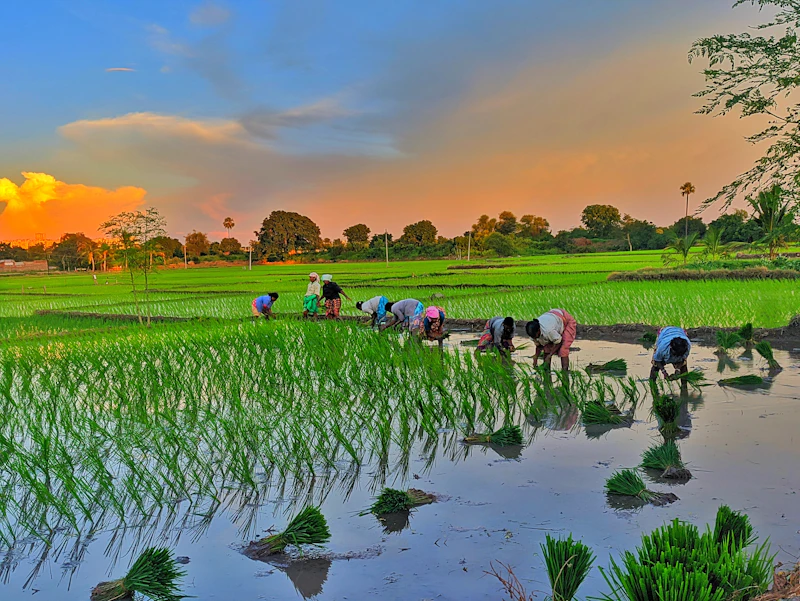
Surrounded by lush paddy fields, betel nut plantations, and coconut groves, the seasonal rhythm of 33 Shirooru Muddumane revolves around nature's cycles. The arrival of new corn is celebrated with holy rituals, thanking the land and ancestors for abundance.
- Tying fresh paddy stalks (Kene) at home entrances for prosperity
- Feast of new harvest (Hosa Akki Oota / Puddar) with traditional dishes
- Baleendra Pooja and lighting of terracotta lamps in paddy fields
- Community protection of ancient village step-wells and water streams
Preserving Roots While Embracing the Future
Stories, customs, celebrations and family values are passed from elders to younger generations, creating a living connection between the past and the present.